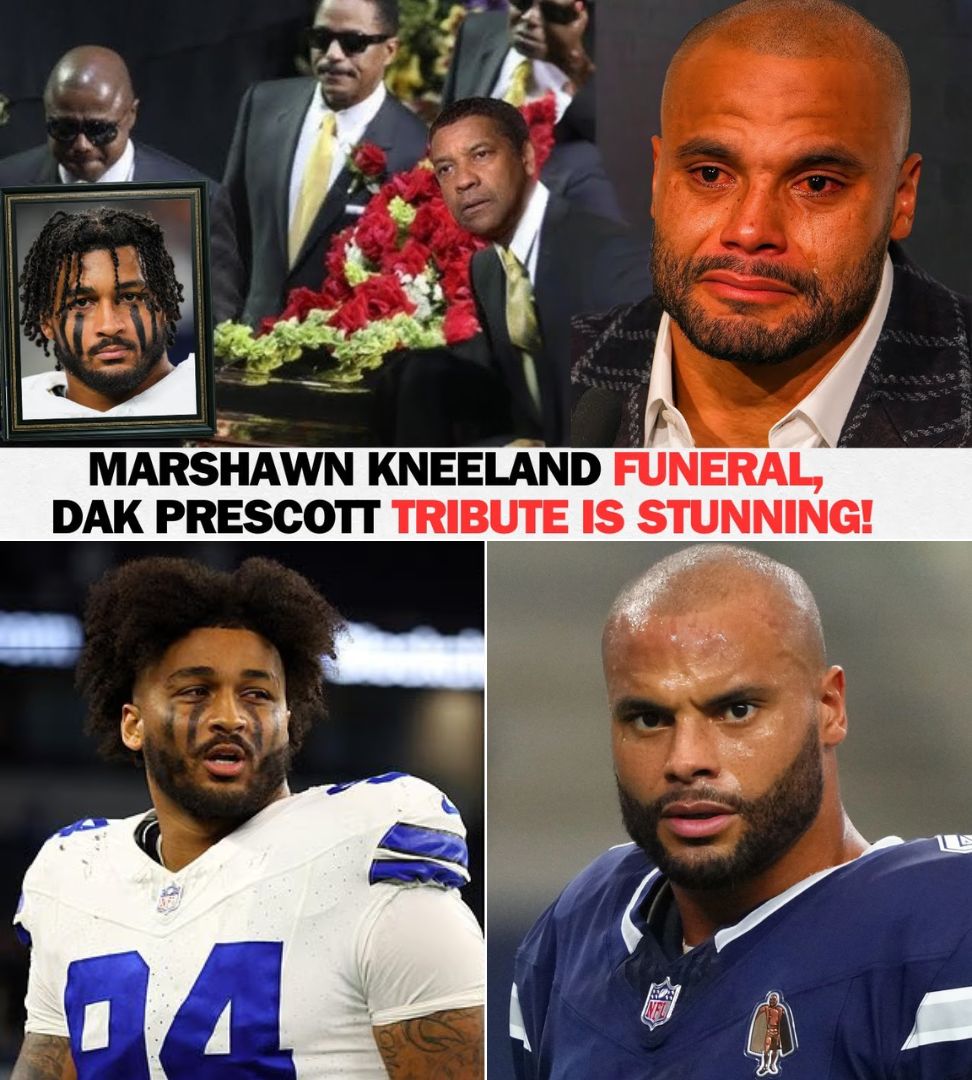
Tragedy Strikes NFL: Dallas Cowboys’ Marshon Neland Passes Away at 24
 In a shocking turn of events that has sent ripples of grief throughout the NFL community, Dallas Cowboys defensive end Marshon Neland has tragically passed away at just 24 years old. The news broke Thursday, leaving fans, teammates, and the sports world grappling with the weight of this heartbreaking loss. While the exact cause of death remains unconfirmed, early reports suggest that Neland may have taken his own life, a narrative all too familiar in professional sports.
Neland’s untimely death sparked an immediate outpouring of sorrow from across the league. Dallas Cowboys quarterback Dak Prescott, during a heartfelt tribute at his alma mater, expressed the profound emotional toll of losing a teammate, stating, “I hurt for Marshawn. I hurt for his family. I hurt for his girlfriend.” His words resonated deeply, underscoring the urgent need for mental health awareness in high-pressure environments like professional football.
The circumstances surrounding Neland’s passing are chilling. Police were called to his residence following concerns raised by his girlfriend, who reported that he was armed and in a state of distress. A series of events led to a police pursuit, culminating in the tragic discovery of Neland’s body early Thursday morning. This grim narrative highlights the desperate need for effective mental health interventions, especially within the demanding realm of professional sports.
As tributes flood in from teammates and fans alike, Neland is remembered not just for his explosive talent on the field but for his vibrant spirit off it. His legacy serves as a stark reminder of the unseen battles many athletes face, prompting urgent conversations about mental health support and the importance of compassion within the sports community.
In the wake of this tragedy, the NFL and its players are called to action, emphasizing the need for open dialogue and proactive measures to safeguard the mental well-being of athletes. Marshon Neland’s life, though cut short, will not be forgotten, igniting a movement toward greater awareness and understanding of mental health struggles in sports.