
Ferrari needed a response, and they delivered. After the results of the last four races, the Scuderia seemed trapped in a negative spiral, with a points tally since the summer break that was far below expectations and more befitting a mid-field team. Their regression was exacerbated by the rise of rival teams, leaving Ferrari struggling to keep up and overwhelmed by the challenges of the SF-25. The team faced the urgent task of reversing course to protect their third-place standing in the Constructors’ Championship.
Struggles in early Austin sessions
However, at the start of the Austin weekend, that much-needed rebound seemed unlikely. Ferrari even dropped to sixth place during the Sprint race, a result of a slow and difficult-to-handle SF-25 that was lagging well behind its rivals. The trend continued in the shorter Sprint, as the car struggled to make a significant impact. Yet, the SF-25 showed marked improvements in the feedback it delivered to the drivers, hinting at a potential turnaround.
Q3 shows Ferrari’s resurgence
The signs of recovery were confirmed in Q3, where the Scuderia finally demonstrated the reaction that fans had been waiting for. The car was fast, well-balanced, and allowed the drivers to secure third and fifth positions on the grid. This strong qualifying performance set the stage for a podium-worthy race, supported by an excellent execution, aggressive strategy—especially for Charles Leclerc—and the latent potential of the SF-25.
Race results: Charles Leclerc on the podium, Lewis Hamilton solid
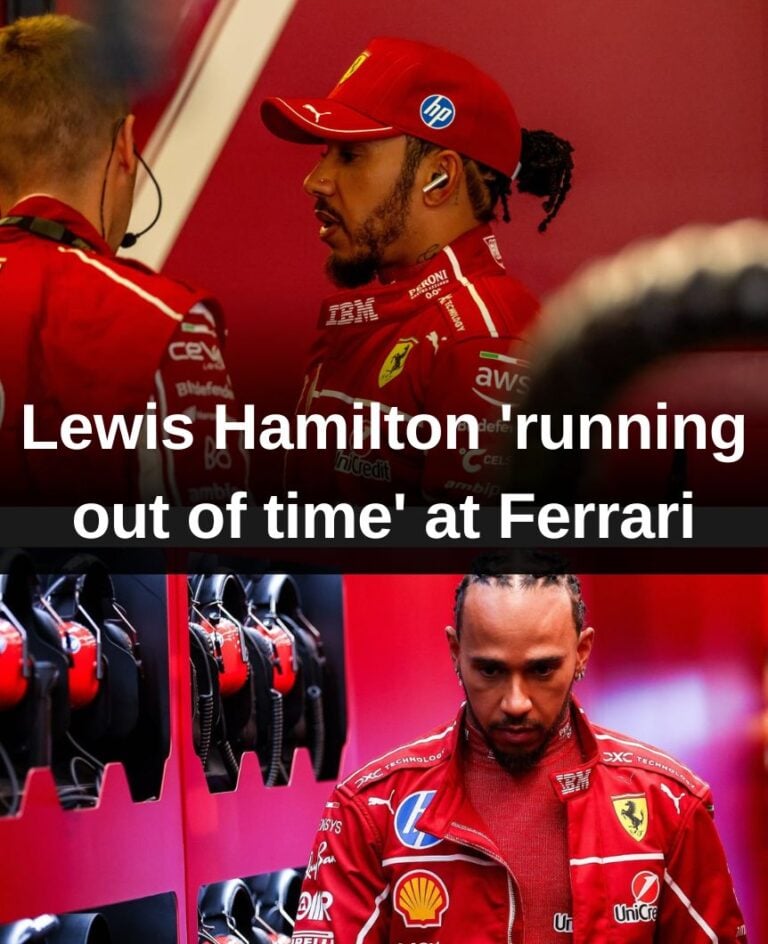
With all these factors combined, Charles Leclerc secured third place, marking his sixth podium of the season with a performance that balanced aggression and tyre management. Lewis Hamilton finished fourth, delivering one of his strongest weekends of the year, consistently matching his teammate’s pace, staying in the top positions, and avoiding errors throughout.
Hamilton makes history
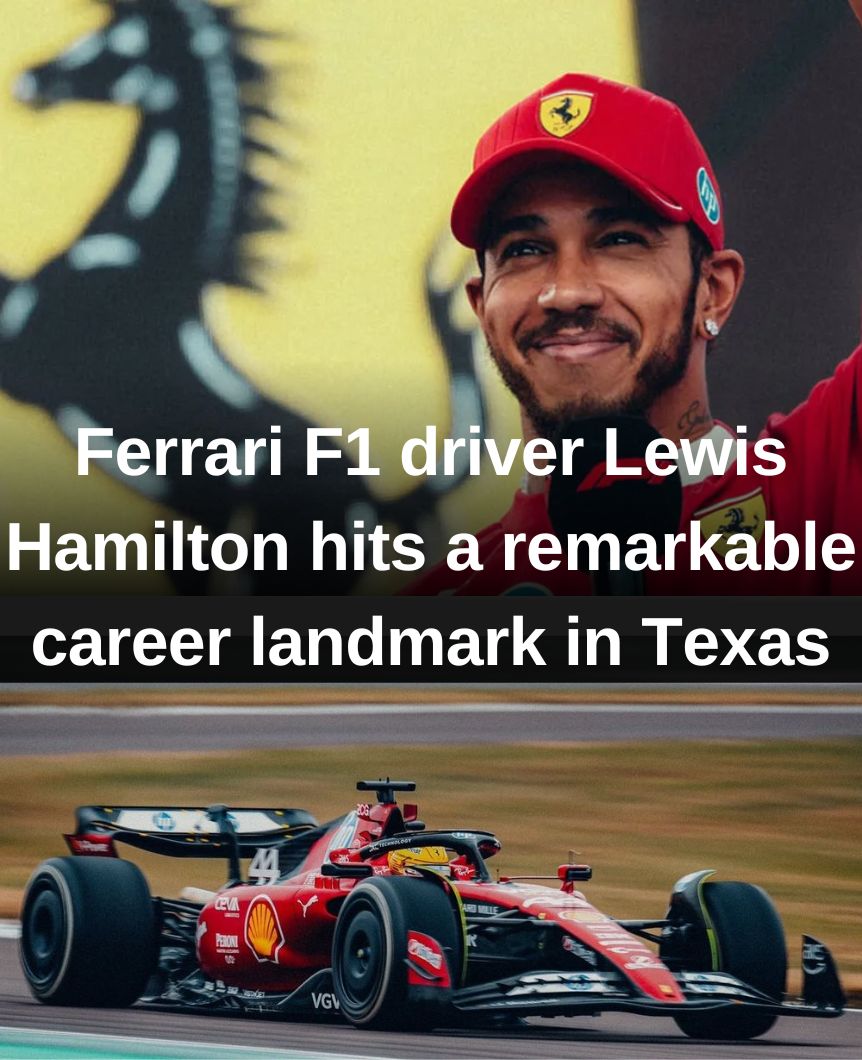
Lewis Hamilton’s solid performance in Austin not only strengthened his rapport with the car and demonstrated his development over the season but also allowed him to set an incredible new career record. With the twelve points earned for fourth place, the seven-time world champion became the first driver in Formula 1 history to surpass 5,000 career points, reaching 5,004.5 points. This remarkable milestone places him at the top of this unique ranking, ahead of Max Verstappen in second with 3,329.5 points and Sebastian Vettel in third with 3,098 points.
While comparisons to past drivers—when race wins awarded only 10 points instead of 25—should be made cautiously, this achievement highlights Hamilton’s dominance in the modern era and provides a useful benchmark for evaluating all drivers who have competed since 2010.