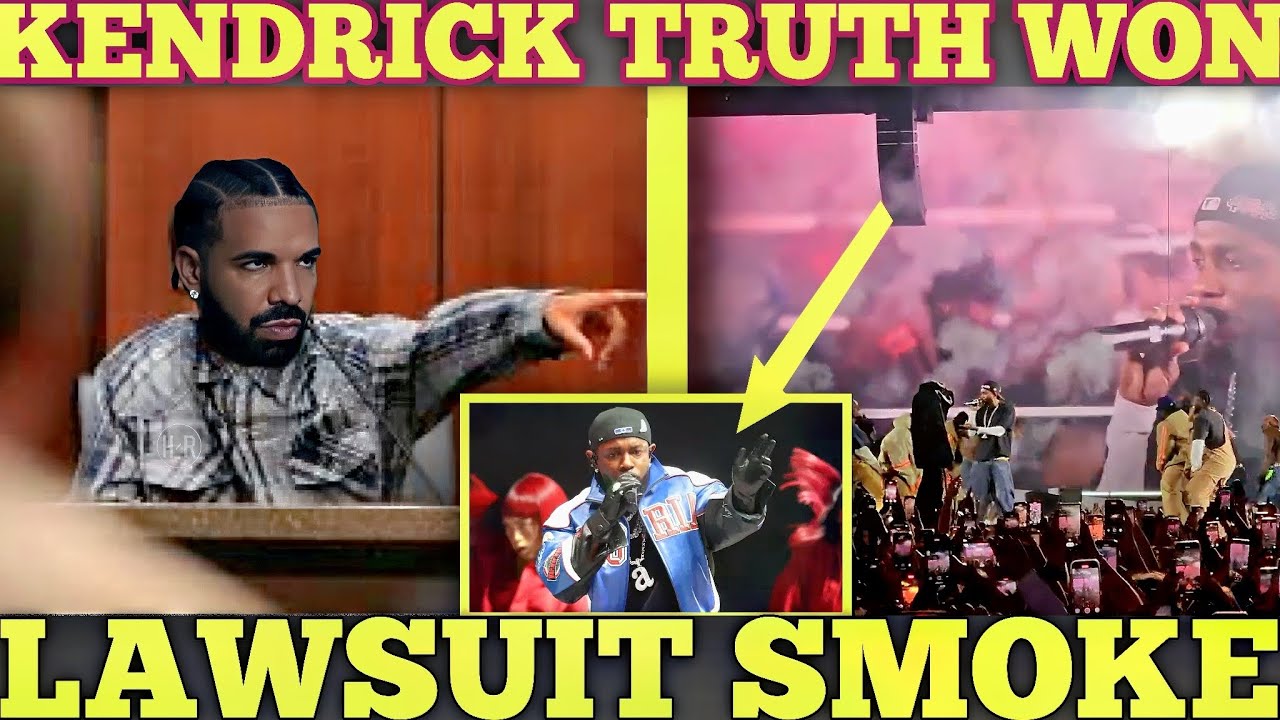
Drake’s legal gambit just hit a brick wall, and it’s Kendrick Lamar who’s walking away unscathed. In a stunning turn of events, a court has dismissed Drake’s defamation lawsuit against Universal Music Group concerning Kendrick’s fiery track “Not Like Us,” labeling the bars as “actionable opinion.” This ruling not only validates Kendrick’s lyrical prowess but also underscores a pivotal moment in hip-hop history.
 When “Not Like Us” dropped, it wasn’t merely a diss track; it was a seismic shift in the rap landscape. Kendrick didn’t just throw shade; he illuminated the shadows of rumors surrounding Drake, delivering a lyrical onslaught that resonated with fans and critics alike. The song became an anthem of authenticity, capturing the hearts of listeners and igniting debates across social media.
Drake’s attempt to silence Kendrick backfired spectacularly. The court’s ruling emphasized that Kendrick’s words were protected under free speech, reinforcing the idea that hip-hop thrives on bold expression and artistic license. By dismissing the lawsuit, the judge not only safeguarded Kendrick’s message but also set a precedent for future artists, ensuring that the integrity of lyrical storytelling remains intact.
This legal defeat stings for Drake, who has long been the dominant force in the industry. The ruling serves as a stark reminder that even the most powerful figures can be vulnerable when it comes to cultural impact. Kendrick didn’t need to appear in court; his silence spoke volumes, showcasing a strategic composure that only elevates his status.
As the dust settles, one thing is clear: “Not Like Us” has transcended its original intent. It’s no longer just a diss; it’s a cultural declaration, a rallying cry for artists to speak their truth without fear. While Drake may regroup, the balance of power in hip-hop has shifted, and Kendrick has emerged not just victorious but as a symbol of resilience and artistic freedom. The court may have closed the case, but the echoes of this battle will resonate for years to come.